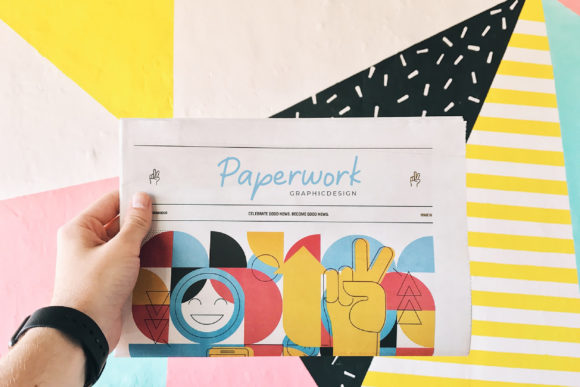
Sticky Book Font for Web Design
As a web designer, I often find myself testing new fonts to see how they fit into a project’s visual language. Recently, I stumbled on Sticky Book, a playful and modern handwritten font that immediately caught my eye. It’s the kind of font that makes you want to experiment with layout and branding in a fresh way.
Sticky Book for Creative Portfolio Websites and Branding
When I first tried Sticky Book on a creative portfolio homepage, it brought a sense of personality and warmth that felt just right. The font has a soft, handwritten feel that adds character without being too chaotic. It works well as a logo or header text, especially when paired with clean, minimal design elements. For a digital brand kit, Sticky Book offers a unique touch that helps stand out from more standard typefaces.
Using Sticky Book for section headings or call-to-action buttons can add visual interest without overwhelming the user. Its natural flow makes it ideal for short phrases or decorative accents that need to feel authentic and approachable.
Sticky Book for Boutique Online Stores and Product Landing Pages
I recently used Sticky Book on a boutique online store’s product landing page, where it was applied to headline text and promotional banners. The font’s playful nature complemented the brand’s aesthetic, making the content feel more personal and inviting. It worked particularly well over image backgrounds, where its subtle irregularities added depth and dimension.
For small businesses looking to create a more humanized brand presence, Sticky Book is a great choice. It’s especially effective when used sparingly—like in hero sections or product titles—where it can draw attention without sacrificing readability.
Sticky Book for Coaching Websites and Course Sales Pages
On a coaching website, Sticky Book helped bring a sense of trust and authenticity to the messaging. As a script handwritten font, it feels like a personal note, which aligns well with the tone of many coaching or educational platforms. When placed over a dark background or overlaid on an image, it maintained clarity while adding a touch of elegance.
On course sales pages, Sticky Book made headlines and key selling points stand out. It’s a strong display font that pairs well with simpler body fonts, creating a balanced and professional look. For digital product creators, this font offers a way to express creativity without compromising usability.
Sticky Book for Blog Headers and Social Media Graphics
When I tested Sticky Book on a blog header, it added a friendly and engaging tone that encouraged readers to explore further. Its handwritten style made the content feel more relatable, which is essential for maintaining reader engagement. It also worked well in social media graphics, where its organic look helped create a more personal connection with the audience.
For designers working on editorial layouts or digital ads, Sticky Book is a versatile option. It can be used for subheadings, captions, or even as a decorative element in a larger composition. Its readability on mobile screens was impressive, even at smaller sizes, which is a big plus for responsive design.
Sticky Book for Digital Ads and Campaign Landing Pages
In a recent campaign landing page, Sticky Book was used for the main headline and supporting text. The font’s charm helped reinforce the campaign’s message without being distracting. It worked especially well when combined with bold colors and dynamic visuals, creating a cohesive and eye-catching experience.
For marketing professionals, Sticky Book offers a way to make digital ads feel more genuine and less corporate. It’s a good choice when the goal is to build trust and connect emotionally with the audience. Its versatility makes it suitable for both high-energy campaigns and more subdued, elegant designs.
Sticky Book for Logo Design and Editorial Layouts
One of the most exciting uses of Sticky Book was in a logo design project. Its flowing lines and organic shape gave the brand a distinctive identity that felt both modern and nostalgic. It’s a font that can work well as a standalone logo or as part of a larger typographic system.
For editorial layouts, Sticky Book adds a warm, handwritten feel that can make written content feel more personal. It’s ideal for blogs, newsletters, or magazines that aim to create a more intimate reading experience. When used in combination with serif or sans serif fonts, it can help establish a clear visual hierarchy without losing its unique character.
Sticky Book for Web Typography and Responsive Layouts
Testing Sticky Book on various screen sizes showed that it holds up well in responsive designs. On mobile devices, it remained legible and easy to scan, even when used in smaller sizes. This makes it a solid choice for headers, buttons, and other interactive elements that need to be clearly visible and accessible.
For web designers, Sticky Book is a great addition to any font library. It’s a premium font that offers both aesthetic appeal and practical functionality. Whether used in a single headline or across an entire site, it brings a level of creativity that can elevate a digital project from good to great.