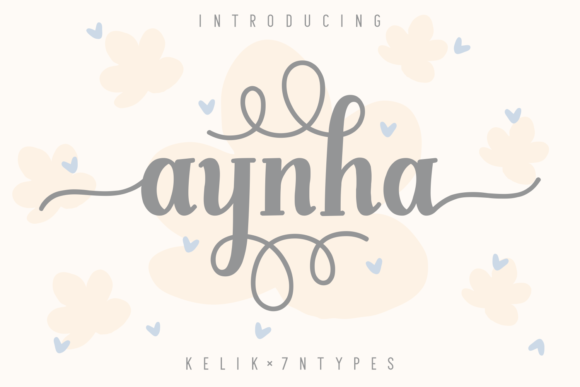
Aynha Font Review: A Sweet, Script Handwritten Typeface for Creative Projects
There’s something magical about opening a brand board with a blank canvas and a fresh idea. Recently, I found myself working on a boutique identity project for a small artisanal soap shop — a space that needed to feel personal, warm, and handcrafted. As I explored typefaces, I stumbled upon Aynha, a sweet, soft script handwritten font. What struck me immediately was its authentic charm, the kind of personality that makes you fall in love at first glance. I knew it would be perfect for testing across multiple design applications.
Aynha for Wedding Invitations and Elegant Branding
When I tested Aynha on wedding invitation mockups, it instantly elevated the design from ordinary to extraordinary. The gentle curves and flowing strokes gave the text an organic, romantic feel — just what couples want when they're crafting a bespoke event. Its Script Handwritten style felt like a signature rather than a generic font, making each card feel personalized and heartfelt.
I used it for both the main title and the inner message copy, but only in short phrases. In those contexts, Aynha performed beautifully. It added warmth and elegance without feeling overdone. However, when I tried using it for longer paragraphs or address lines, readability dropped slightly. This is common with many handwritten fonts, so if you're going for full-length text in a similar context, stick to simpler styles for legibility.
Aynha in Social Media Graphics and Editorial Layouts
Next, I placed Aynha into a social media layout for the same handmade soap brand. For Instagram posts promoting seasonal collections, the font worked wonders. The softness of the Script Handwritten script made the headlines feel approachable and inviting, while still maintaining a premium aesthetic. It paired especially well with muted pastel tones and natural textures like linen or wood grain.
In editorial design, such as a product story or blog post header, Aynha added a touch of whimsy and creativity. It wasn’t overpowering, which allowed the supporting content to breathe. But again, this wasn’t a font I’d use for body text. I reserved it for headlines, pull quotes, and call-to-action buttons where visual impact mattered most.
Using Aynha for Logo Design and Packaging Mockups
One of the standout moments came when I used Aynha in a logo draft for the soap boutique. The logo featured the brand name followed by a tagline, and Aynha brought a sense of authenticity and craftsmanship that perfectly aligned with the brand’s ethos. It didn’t feel too playful or too formal — just right.
On the packaging mockup, Aynha was ideal for labeling jars and gift boxes. Its soft character and elegant flow made the product stand out in a crowded market. I layered it with a minimalist sans serif for pricing and ingredients, creating a balanced contrast that enhanced the overall look. This kind of font pairing works best when the supporting typeface is clean and neutral, allowing Aynha to shine as the focal point.
What I appreciated most was how Aynha translated across different mediums. On a digital mockup, it looked just as good as it did in print — no pixelation issues, no loss of charm. That versatility is rare for a Script Handwritten font, and it’s definitely a plus for designers who work across platforms.
Aynha as a Display Font and Supporting Typeface
Aynha shines brightest as a display font. Whether it's used for a homepage hero section, a poster headline, or a flyer title, it brings attention and emotion. It has enough variation in stroke weight and character shape to allow for subtle customization, which is great when building a cohesive brand identity.
As a supporting typeface, Aynha can be tricky. It’s not suited for long blocks of text or anything that needs high readability at smaller sizes. But for accents, headers, and short-form content, it’s a dream. I’ve seen many designers try to stretch decorative fonts beyond their capabilities — don’t make that mistake with Aynha. Let it do what it does best.
Font Pairing Suggestions with Aynha
Pairing Aynha with other fonts requires a careful hand. I found success combining it with a clean, modern sans serif like Lato or Montserrat for balance. These pairings helped keep the design grounded while letting Aynha add emotional appeal. If you’re going for a more traditional or vintage vibe, a serif font like Playfair Display or Merriweather could complement its softness with a touch of refinement.
For fellow handwritten font enthusiasts, I also experimented with another script alongside Aynha, but the results were messy. Stick to one script font per design unless you have a very specific reason to mix them. Aynha is already expressive enough to carry the creative tone on its own.
Testing Aynha Before Final Client Deliverables
If you’re considering using Aynha in a client project, I recommend doing a quick test run before finalizing. Try it on a business card mockup, a website header, and a few social media templates. See how it holds up in various weights and sizes. Does it maintain clarity? Does it align with your client’s brand voice?
I also suggest looking at the included alternates and ligatures. Aynha offers enough variety to keep things visually interesting without becoming repetitive. That’s crucial for any branding project that needs to scale across multiple assets. And remember to always review the commercial licensing terms before using it in anything you’ll charge for — whether it’s a client’s logo, a webfont integration, or merchandise like mugs and tote bags.
Where Aynha Thrives and Where It Falls Short
Aynha is a gem for projects where personality and warmth are key. Think of it as the design world’s version of a handwritten note — it adds a human touch to otherwise sterile layouts. It works particularly well for brands in the lifestyle, beauty, food, and craft niches, where emotional connection matters.
That said, it’s not the best choice for corporate environments or technical documentation. Its ornate nature and slight irregularity in spacing mean it doesn’t suit every need. For formal reports or data-heavy websites, look elsewhere. But for a bakery’s signage, a handmade jewelry label, or a cozy café menu board, Aynha is practically perfect.
Another consideration: because it’s a Script Handwritten font, Aynha may not render as crisply in certain web browsers or mobile devices. Always test it in real-world conditions. You might find that a lighter weight works better online, or that you need to adjust tracking for optimal legibility.
Final Thoughts on Aynha’s Role in Your Toolkit
After testing Aynha across several design scenarios — from a brand board to a packaging mockup — I’m confident it belongs in the toolkit of any designer working on Fonts that require a personal touch. It’s not just another pretty Script Handwritten typeface; it’s a font that understands the mood it wants to create and delivers it consistently.
So if you’re designing for a brand that values authenticity, romance, or artistry, give Aynha a try. Just remember to use it wisely — let it speak where it needs to, and keep it company with fonts that know when to step back. You’ll end up with a brand identity that feels both professional and heartfelt.